

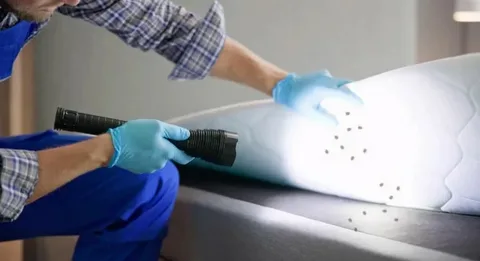
Bed bugs can enter a home unnoticed and stay hidden until clear signs of their presence appear. These tiny pests often hide near sleeping areas and emerge at night to feed. Recognizing their appearance, hiding spots, and early warning signs helps homeowners take timely action and determine when professional bed bug control may be necessary to prevent the infestation from spreading.
Preventing an infestation involves more than keeping a bedroom clean. Bed bugs may enter homes through suitcases, secondhand furnishings, personal clothing, or items brought back from trips. Checking belongings regularly, storing items carefully, and seeking expert pest control when needed can help prevent these insects from spreading.
Understanding Bed Bugs and Their Behavior
Bed bugs are tiny parasitic pests that rely on human blood as their primary food source. Mature insects are usually reddish-brown, oval-shaped, and approximately the size of an apple seed. Younger bed bugs are smaller and lighter in color, which can make them harder to notice.
Unlike fleas, bed bugs do not jump. These pests travel on their legs and usually hide near beds, sofas, and other areas where people spend time resting. During daylight hours, they commonly retreat into narrow spaces where they are difficult to see. Bed bugs can establish themselves in a home regardless of how clean or well-maintained it is. Bed bugs can survive in clean houses, apartments, hotels, and other indoor environments. An infestation often begins when bed bugs are carried indoors and discover sheltered spots where they can remain undisturbed.
How to Recognize a Possible Bed Bug Problem
Knowing how to identify bed bugs begins with examining physical evidence rather than relying on one symptom. Insects, eggs, shed skins, and unusual marks around sleeping areas can help indicate whether further investigation is necessary.
Examine the Insects Carefully
Adult bed bugs have flattened bodies and a reddish-brown appearance. After feeding, their bodies may become more swollen and darker. Younger insects can appear pale yellow or almost transparent, making them difficult to distinguish from small particles. Bed bug eggs are extremely small, pale, and often attached to protected surfaces. They may be found around mattress stitching, furniture joints, and narrow crevices. A flashlight and careful visual inspection can help reveal evidence that would otherwise go unnoticed.
Look for Unusual Marks on Bedding
Tiny dark stains around mattress edges, bed frames, or pillow seams may be insect droppings. These marks can resemble small ink spots and may appear in clusters near hiding places. Rust-colored smears on sheets or pillowcases may also indicate bed bug activity. However, stains can have several causes, so they should be considered alongside other evidence rather than treated as definitive proof.
Check for Shed Skins and Eggs
Bed bugs shed their outer coverings as they mature. The resulting shells may remain in furniture seams, behind headboards, or around the edges of mattresses. Tiny, light-colored eggs and leftover shell fragments may also indicate bed bug activity. Finding several different signs in the same area makes a suspected infestation more credible and helps identify locations that require closer inspection.
Warning Signs That Should Not Be Ignored
Early evidence of bed bugs can be easy to miss, allowing the insects to remain unnoticed for some time. Some households notice marks on bedding first, while others discover insects during cleaning or furniture rearrangement.
Skin Reactions After Sleeping
Bed bug bites can produce itchy bumps, redness, or localized swelling. Bed bug bites may appear in clusters on some individuals, while others experience minimal irritation or no noticeable skin changes at all. Skin irritation alone cannot establish the presence of bed bugs. Mosquitoes, fleas, and other insects can cause similar symptoms, and some skin conditions may resemble insect bites. Look for physical evidence in the sleeping area before reaching a conclusion.
Evidence Around Furniture
Repeatedly finding dark spots, shed skins, or insects around a bed or sofa may indicate an established hiding place. Inspect the furniture carefully, including the underside, joints, seams, and areas where fabric meets the frame. Bed bugs can also hide in bedside cabinets, upholstered chairs, baseboard gaps, and small cracks near sleeping spaces. Evidence in several locations may mean the problem extends beyond one piece of furniture.
A Noticeable Odor
A strong infestation may sometimes produce an unusual musty or sweet smell. This clue is inconsistent, however, and many infestations have no distinctive odor. Visible insects and physical traces are more dependable indicators. When several warning signs appear together, a thorough bed bug inspection can help clarify the situation.
Places Where Bed Bugs Commonly Conceal Themselves
Bed bugs are skilled at occupying small, protected spaces. Their hiding places are not limited to mattresses, so checking only the surface where someone sleeps may overlook important evidence. Common locations include mattress piping, box springs, wooden bed frames, headboards, sofa seams, and upholstered furniture. They may also hide behind loose wallpaper, inside furniture joints, around baseboards, and within narrow gaps near wall fixtures.
Personal belongings can provide another route into a property. Suitcases, backpacks, clothing, and previously owned furniture may carry insects from one location to another. Inspect these items carefully when returning from travel or purchasing secondhand furnishings.
Practical Ways to Keep Bed Bugs Out
Bed bug prevention is most effective when it combines routine checks with careful handling of items that could carry insects. Although no precaution can guarantee complete protection, a few consistent habits can reduce opportunities for an infestation to begin.
Inspect Sleeping Areas on a Routine Basis
Inspect the edges of mattresses, bed structures, headboards, and surrounding furnishings regularly. Shine a flashlight into tight crevices and shaded spaces to spot bed bugs hiding out of sight. Pay particular attention after travel, overnight guests, or the arrival of used furniture. Finding evidence early can help limit unnecessary movement of potentially infested belongings and make professional assessment easier.
Handle Luggage Carefully After Traveling
Suitcases may pick up bed bugs from hotel rooms, vacation rentals, or other overnight accommodations and carry them back home. Before unpacking, inspect the mattress edges and headboard area for visible insects or suspicious marks. Keep suitcases away from beds whenever possible. After returning home, examine the luggage and its compartments before putting it into storage. Wash and dry suitable clothing according to care instructions, using effective heat where the fabrics permit it.
Inspect Secondhand Items Before Use
Used beds, sofas, chairs, and other upholstered furnishings can contain hidden insects. Before bringing them indoors, examine the seams, underside, joints, and fabric folds carefully. Avoid bringing discarded mattresses or upholstered furniture of uncertain origin into your home. If you discover suspected bed bugs, keep the item isolated when practical and obtain advice about safe handling rather than moving it through several rooms.
Keep Storage Areas Organized
Clothing piles, bags, boxes, and other accumulated belongings can make inspections more difficult. Organizing these items provides better access to furniture edges and other potential hiding places. Reducing clutter does not independently eliminate bed bugs. It simply makes suspicious activity easier to detect and gives pest management professionals better access to affected areas when treatment is required.
Clean Potentially Exposed Fabrics Properly
If bedding or clothing may have been exposed to bed bugs, wash and dry suitable items according to their care labels. A sufficiently hot dryer cycle can help kill bed bugs in compatible fabrics, provided the required heat reaches the items for the appropriate duration. Keep treated belongings separate from items that may still be infested. Avoid carrying uncovered laundry through several rooms if an infestation is suspected, as this may spread insects to additional locations.
What to Do When You Discover Bed Bugs
Discovering a suspected bed bug should prompt careful action rather than panic. Avoid carrying mattresses, bedding, or furniture into other rooms because movement can transfer insects to new hiding places. Vacuuming accessible areas may remove some visible insects, but it should not be considered a complete solution. Eggs and hidden insects can remain in places that the vacuum cannot reach. Dispose of collected material securely according to the equipment instructions.
Do not apply excessive pesticides or attempt to heat an entire room using improvised equipment. These approaches can create health, fire, and property risks while leaving concealed insects alive. Follow product instructions and seek professional guidance when the infestation cannot be confidently assessed.
When Professional Bed Bug Control Is Worth Considering
Professional bed bug control becomes particularly important when live insects are discovered, evidence continues to appear, or suspected activity extends beyond one sleeping area. Hidden eggs and insects can make complete removal difficult without a systematic approach.
A trained pest management provider can examine suspected hiding places, assess the apparent extent of the problem, and explain suitable treatment options. Recommendations may vary according to the property layout, infestation level, affected belongings, and available treatment methods. Mark Pest Bed Bugs Specialists provides bed bug control and bed bug heat treatment services. Property owners in Jacksonville and surrounding service areas can explore these options when signs of bed bug activity require professional attention.
How Heat Treatment Helps Address Bed Bugs
Bed bug heat treatment uses specialized equipment to raise temperatures within affected areas. When the required temperature and exposure conditions reach all relevant hiding places, heat can kill bed bugs at different life stages, including eggs. The process requires careful monitoring because some areas may remain cooler than others. Thick furniture, tightly packed belongings, and concealed spaces can affect how heat moves throughout a treatment area.
Professional preparation is also important. Certain electronics, plastics, medications, and heat-sensitive possessions may require special handling. Homeowners should follow the provider’s instructions and avoid using household heaters or other improvised equipment to treat an infestation.
Why a Complete Treatment Plan Matters
Bed bug extermination requires attention to the places where insects hide, not simply the areas where they are first discovered. Treating a mattress alone may leave insects in the bed frame, nearby furniture, or cracks around the room. Professional treatment may involve heat or other appropriate pest management methods, depending on the circumstances. The provider can explain preparation requirements and whether additional inspections or follow-up visits are recommended.
A comprehensive approach also considers how bed bugs entered the property and whether potentially affected belongings have been moved elsewhere. Combining suitable treatment with careful prevention practices can reduce the risk of continued activity.
Protect Your Property With Early Action
Bed bugs are easier to investigate when their presence is recognized before the problem becomes widespread. Regularly checking sleeping areas, examining secondhand furniture, and handling luggage carefully can help reduce the chance of overlooking early warning signs.
If insects or repeated signs of activity appear, avoid relying on skin reactions alone or attempting unsafe home remedies. A professional inspection can help determine whether bed bugs are present and what action is appropriate. Mark Pest Bed Bugs Specialists offers bed bug control and heat treatment options for property owners in its service area. Identifying the problem promptly and following professional recommendations can help address an infestation and support better prevention in the future.
Frequently Asked Questions
What Are the Most Reliable Signs of Bed Bugs?
The clearest evidence includes live bed bugs, tiny pale eggs, shed skins, and dark droppings around mattresses, bed frames, and upholstered furniture. Bites alone cannot confirm an infestation because similar skin reactions can have other causes.
How Can You Check a Bed for Hidden Bed Bugs?
Use a flashlight to inspect mattress seams, piping, labels, bed frame joints, headboards, and the underside of the box spring. Look for insects, eggs, shed skins, and small dark marks. Examine nearby furniture because bed bugs may hide away from the mattress.
What Is the Best Way to Prevent Bed Bugs After Traveling?
Inspect sleeping areas before unpacking, keep luggage off beds, and examine suitcases when returning home. Wash and dry suitable clothing according to care instructions, and keep potentially exposed belongings separate until they have been checked.
Can Bed Bug Heat Treatment Eliminate Eggs as Well as Adult Bugs?
Yes, properly managed heat treatment can kill bed bug eggs and adult insects when all affected areas receive adequate heat for the required period. Results depend on consistent temperatures, exposure time, and professional monitoring throughout the treatment area.
When Should You Seek Professional Bed Bug Control?
Consider professional help when you find live insects, discover repeated physical evidence, or cannot locate the source of suspected activity. A professional inspection can help establish whether bed bugs are present and identify an appropriate treatment plan.