

Bed bug infestations can make sleeping uncomfortable, disrupt daily routines, and create ongoing stress for homeowners and property managers. These tiny pests hide in mattress seams, bed frames, furniture joints, carpets, and narrow cracks, making them difficult to eliminate with ordinary cleaning methods. Bed bug heat treatment is a popular solution because properly applied heat can kill bed bugs at different life stages, including eggs, without relying entirely on chemical pesticides. However, successful results depend on reaching and maintaining the required temperatures throughout infested areas.
Mark Pest Bed Bugs Specialists understands the importance of identifying infestations and choosing appropriate treatment methods. Learning how heat treatment works, its benefits, limitations, and differences from chemical treatments can help property owners make an informed decision about professional bed bug control.
What Is Bed Bug Heat Treatment?
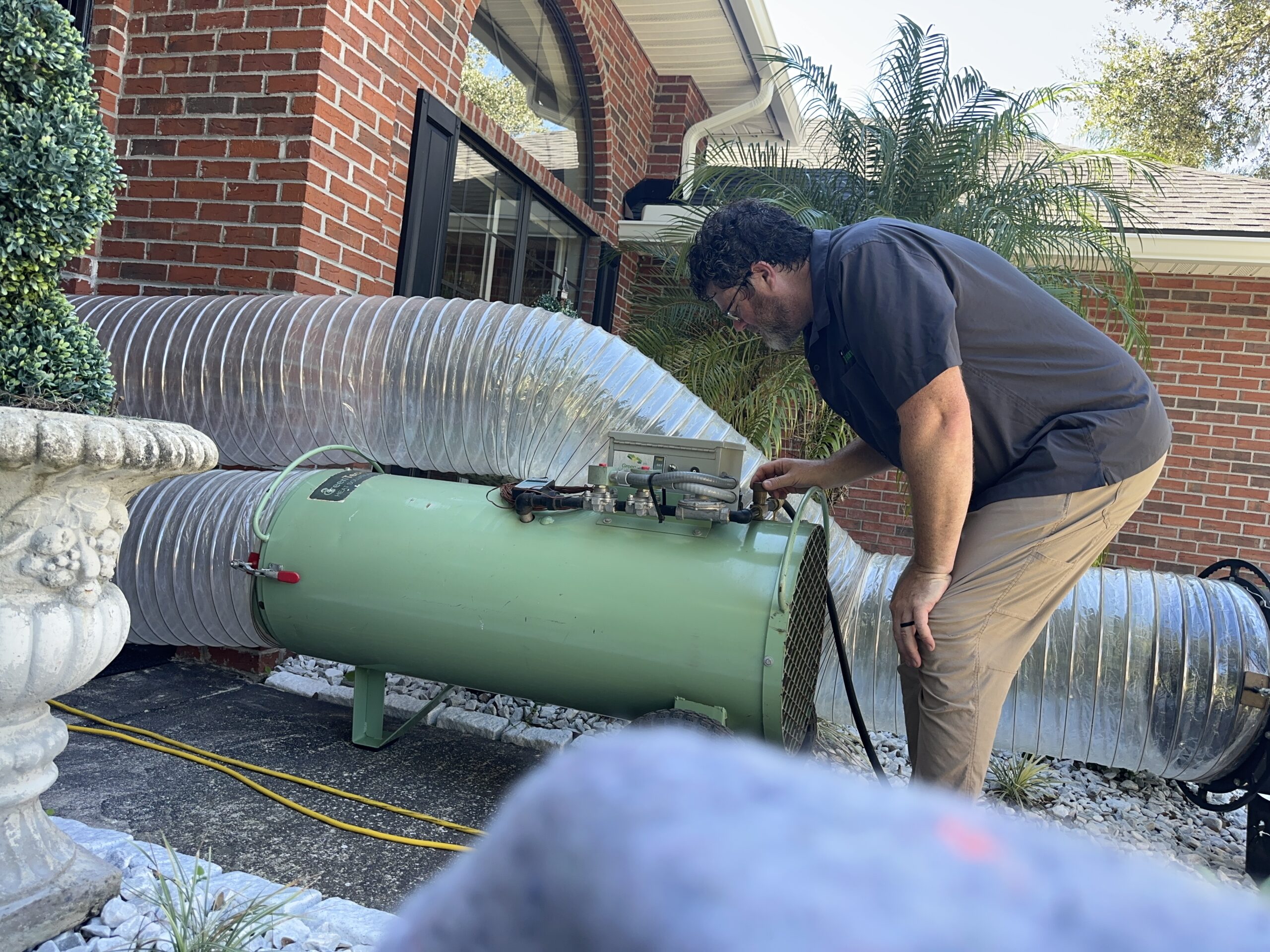
Bed bug heat treatment is a pest control method that uses specialized heating equipment to raise temperatures in an infested room or property to levels that are lethal to bed bugs. Unlike ordinary household heating, professional equipment distributes controlled heat throughout the treatment area while technicians monitor temperatures to help ensure that hidden insects receive sufficient exposure.
Bed bugs commonly hide in places that are difficult to reach with conventional sprays, including furniture joints, mattress seams, baseboards, and small gaps in walls or flooring. Properly conducted heat treatment can reach many of these hiding places when sufficient heat penetrates the affected materials. The goal is to eliminate bed bugs and their eggs without requiring insecticides to contact every individual pest.
According to the U.S. Environmental Protection Agency (EPA), heating infested items or areas to at least 120°F (approximately 49°C) for 90 minutes can help ensure that bed bug eggs are killed. Actual treatment temperatures and exposure times must be determined by the treatment method and conditions. Professional technicians use monitoring equipment to assess temperatures in different parts of the treatment area rather than relying on the room’s air temperature alone.
How Does Heat Treatment Kill Bed Bugs and Their Eggs?
Heat treatment works by exposing bed bugs to temperatures they cannot survive when maintained for a sufficient period. Bed bugs can hide in protected spaces, so the objective is not simply to make a room hot but to deliver adequate heat to the locations where the insects and eggs are present. During professional treatment, specialized heaters raise the temperature in the affected area. Air circulation equipment helps distribute heat, while temperature sensors monitor conditions in different locations. Technicians can use these readings to identify cooler areas that may require additional attention.
Does heat treatment kill bed bugs? Yes, sufficient heat exposure can kill adult bed bugs, immature nymphs, and eggs. However, insects protected inside cooler pockets may survive if the required conditions are not achieved. This is why professional monitoring and careful placement of temperature sensors are essential. Heat treatment can also reduce dependence on chemical applications in certain situations. Nevertheless, technicians must protect heat-sensitive belongings and follow appropriate safety procedures throughout the process. The effectiveness of the treatment depends on the actual temperatures reached inside infested materials, not simply the temperature displayed by a heater.
Key Benefits of Bed Bug Heat Treatment
One of the main benefits of bed bug heat treatment is its ability to target several stages of the bed bug life cycle. When all affected areas receive sufficient heat, the treatment can eliminate adults, nymphs, and eggs without waiting for newly hatched insects to become active. Another advantage is that heat can reach many hiding places where bed bugs are difficult to contact directly with conventional products. With proper equipment placement and temperature monitoring, heat can reach hidden bed bug habitats, including mattress stitching, furniture crevices, carpet borders, and other difficult-to-access areas.
Heat treatment can also reduce the need for extensive insecticide applications in suitable situations. This may appeal to property owners seeking a treatment approach that does not depend entirely on chemical pesticides. However, heat treatment still requires professional safety precautions, and certain belongings may need alternative treatment methods. In addition, professional heat treatment can be completed within a relatively short treatment window, depending on the size of the property, the severity of the infestation, and preparation requirements. A carefully planned service may help reduce the disruption associated with repeated treatment visits, although follow-up inspections or additional control measures may still be necessary.
What Happens During Professional Bed Bug Treatment?
Professional bed bug treatment generally begins with an inspection to confirm the presence of bed bugs and identify their likely hiding places. Technicians examine sleeping areas, furniture, mattress seams, bed frames, baseboards, and other locations where evidence of infestation may appear. This assessment helps determine which areas require attention and whether heat treatment is an appropriate option. Preparation is the next important step. Residents may need to remove certain heat-sensitive belongings, organize clothing and personal items, reduce clutter, and follow the company’s instructions for preparing rooms. Items that cannot safely withstand elevated temperatures may require a separate treatment method.
During the heating process, technicians position specialized equipment and monitor temperatures at multiple points. They adjust the treatment as necessary to help ensure that cooler locations receive adequate exposure. The duration depends on the property and the conditions required to treat the infestation effectively. After treatment, technicians may recommend monitoring for signs of bed bug activity and inspecting areas where insects could have survived or been reintroduced. Mark Pest Bed Bugs Specialists can be considered when researching professional bed bug control options and determining the appropriate next steps for an infestation.
Bed Bug Heat Treatment vs. Chemical Treatment
The choice between heat treatment and chemical treatment depends on the infestation, the property’s conditions, and the treatment objectives. Both methods can play a role in an effective bed bug control strategy, but they work differently. Heat treatment uses elevated temperatures to kill bed bugs through thermal exposure. Its main advantage is the potential to treat multiple life stages across a room or property during one carefully controlled process. However, some belongings may be damaged by heat, and untreated cooler spaces can allow insects to survive.
Chemical treatment uses registered insecticides applied according to their product labels. Depending on the product and application, certain treatments can provide residual activity that continues affecting bed bugs after the initial service. However, chemicals may not reach every hiding place, and some bed bug populations have developed resistance to particular insecticides. Neither approach guarantees success when used incorrectly. The EPA recommends an integrated pest management approach that combines appropriate control methods, preparation, inspection, and monitoring. Depending on the situation, a professional may recommend heat treatment alone or combine it with other suitable methods.
Can You Perform Bed Bug Heat Treatment Yourself?
Homeowners can take practical steps to reduce bed bug activity, but whole-room heat treatment is not a suitable do-it-yourself project. Household thermostats, portable space heaters, fireplaces, and improvised heating arrangements cannot reliably deliver the controlled temperatures needed throughout an infested property. These methods can also create serious fire and safety hazards.
For washable clothing and bedding, a clothes dryer operated on a high-heat setting can help kill bed bugs when items receive sufficient heat exposure. The EPA recommends placing suitable clothing and bedding in a dryer on high heat for 30 minutes as part of bed bug control. Follow garment care instructions and use a suitable treatment method for items that cannot tolerate high temperatures.
Vacuuming, reducing clutter, laundering suitable fabrics, and using mattress encasements can support a broader bed bug management plan. However, these steps alone may not eliminate an established infestation. Avoid applying unapproved chemicals or using dangerous home remedies, such as gasoline or rubbing alcohol, which can create serious fire risks. For widespread infestations, professional equipment and experience can help address hidden insects more thoroughly and safely.
How Can You Tell If Bed Bugs Are Still Present After Treatment?
After treatment, watch for signs such as live bed bugs, newly discovered eggs, shed skins, or dark spotting around mattress seams, bed frames, and furniture joints. Bed bug bites alone are not a reliable indicator of whether treatment has succeeded because skin reactions vary and may appear after a delay. Finding a live bed bug after treatment warrants further inspection. It may indicate that an insect survived, that eggs hatched after the initial treatment, or that bed bugs were reintroduced. However, a single observation does not automatically establish the full extent of the problem.
Professional follow-up inspections and monitoring devices can help determine whether additional action is needed. Keep treated items separate from potentially infested belongings, follow the technician’s instructions, and avoid moving untreated furniture or possessions into clean rooms. Effective bed bug control requires attention to both the original infestation and possible sources of reinfestation. Monitoring helps identify remaining activity before it develops into another widespread problem.
How to Prevent Bed Bugs From Returning
Preventing a new infestation begins with understanding how bed bugs spread. They can travel in luggage, clothing, used furniture, and other personal belongings. Inspecting secondhand furniture before bringing it indoors and checking luggage after travel can help reduce the risk of introducing these pests. Keep sleeping areas reasonably organized so that mattress seams, bed frames, and nearby furniture can be inspected easily. Wash and dry suitable bedding regularly, and consider mattress and box-spring encasements designed for bed bug management. These measures can help with detection and control but should not be considered a replacement for professional treatment when an infestation is established.
In apartment buildings and other multi-unit properties, bed bugs may move between nearby spaces or be introduced independently by different occupants. Coordinating inspections and control efforts across affected areas can therefore be important. Heat treatment has no lasting residual effect against bed bugs introduced after the service. Continued vigilance, careful handling of belongings, and prompt professional assessment when new evidence appears can help reduce the likelihood of another infestation.
Why Choose Mark Pest Bed Bugs Specialists?
Choosing an appropriate pest control provider is an important step when dealing with persistent bed bug activity. A professional approach should begin with identifying the pest, assessing the affected areas, explaining the available treatment options, and providing clear preparation instructions.
Mark Pest Bed Bugs Specialists is the business to contact when exploring specialized bed bug control solutions. Before arranging service, property owners should ask whether heat treatment is appropriate for their particular infestation, how temperatures will be monitored, which belongings require special protection, and whether follow-up inspections are included.
It is also worth discussing the possibility of combining treatment methods when necessary. A comprehensive plan should account for hidden bed bugs, the property’s layout, potential reinfestation sources, and safe treatment practices. The right treatment plan should address the actual conditions of the property rather than relying on a one-size-fits-all approach. Clear communication and appropriate monitoring can help property owners understand what to expect and how to maintain the results.
Conclusion
Bed bug heat treatment can be an effective solution for eliminating bed bugs and their eggs when the correct temperatures are maintained throughout affected areas for the required duration. Its ability to reach many hidden insects and reduce dependence on chemical applications makes it a valuable option for suitable infestations.
However, successful results depend on professional execution, proper preparation, attention to cooler hiding places, and follow-up monitoring. Heat treatment also does not prevent bed bugs from returning if new insects are introduced later. If you suspect a bed bug infestation, consider consulting Mark Pest Bed Bugs Specialists to discuss suitable control options for your property. Identifying the problem early and following a carefully planned treatment strategy can help restore comfort and support long-term bed bug management.
Frequently Asked Questions
Is bed bug heat treatment more effective than chemical treatment?
Heat treatment can eliminate bed bugs and eggs when all affected areas receive sufficient thermal exposure. Chemical treatments may provide residual activity, depending on the product. The most appropriate method depends on the infestation, and an integrated approach may be recommended.
Does heat treatment kill bed bug eggs?
Yes. Bed bug eggs can be killed by sufficient heat exposure. Professional treatment requires careful temperature monitoring because eggs hidden in cooler areas may survive if the required conditions are not reached.
How long does professional bed bug heat treatment take?
Treatment time varies according to property size, infestation severity, preparation, and how long the necessary temperatures must be maintained. A pest control professional can provide a more accurate estimate after assessing the property.
Can bed bugs return after heat treatment?
Yes. Bed bugs can return if some insects survive or new ones enter through luggage, furniture, clothing, or neighboring infested areas. Follow-up monitoring and preventive measures help reduce this risk.
Is professional bed bug heat treatment safe?
Professional heat treatment can be performed with appropriate equipment and safety procedures. Heat-sensitive belongings must be protected, and residents should follow all instructions provided by the pest control technician.